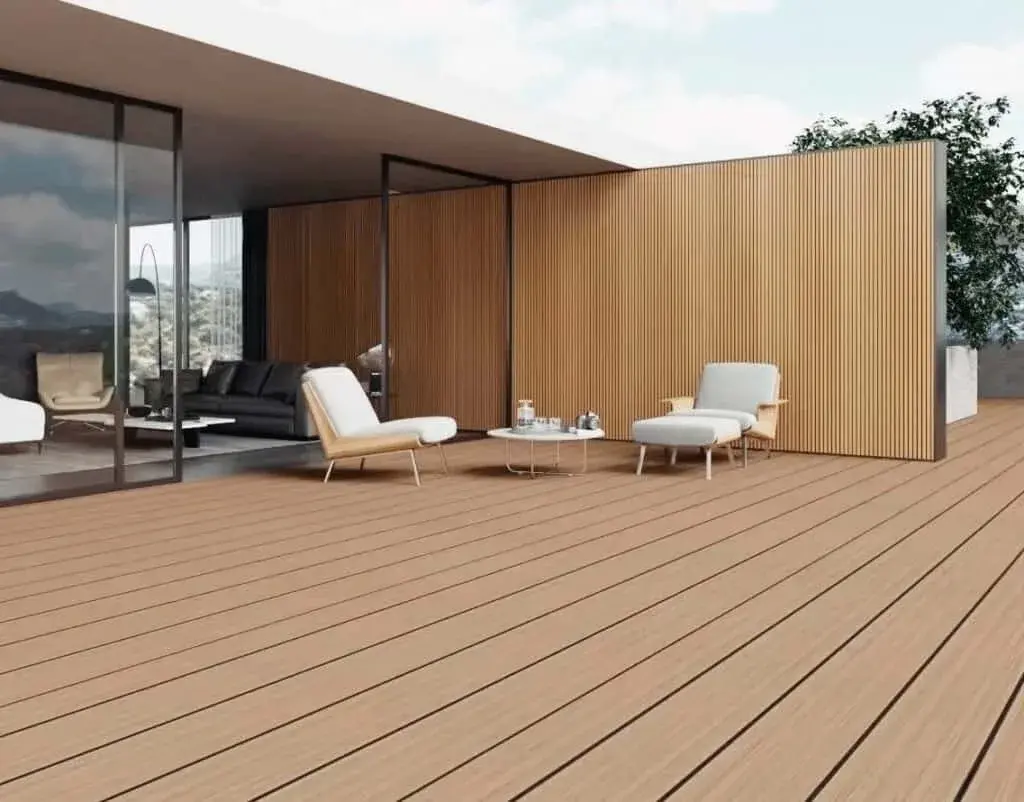
Choosing the right decking or facade cladding material means matching the product’s technical performance to your project’s specific demands: climate exposure, structural loads, maintenance budget, and aesthetic requirements. This guide covers four primary product categories — WPC composite, exotic tropical hardwoods, thermowood, and polymer boards — with actual technical specifications rather than marketing claims.
WPC boards consist of 50–70% wood flour bonded with a thermoplastic matrix — PVC, polyethylene, or polypropylene — plus UV stabilizers, antioxidants, and biocides. Profiles are manufactured by extrusion in hollow or solid cross-sections with grooved or smooth face finishes. Color pigments are distributed throughout the profile, not only surface-applied.
WPC decking is the standard choice for pool surrounds, docks, commercial walkways, and low-maintenance residential terraces. Install on aluminum or hot-dip galvanized joists at 16–20 in. (40–50 cm) centers using hidden clip fasteners or stainless steel (AISI 316) screws.
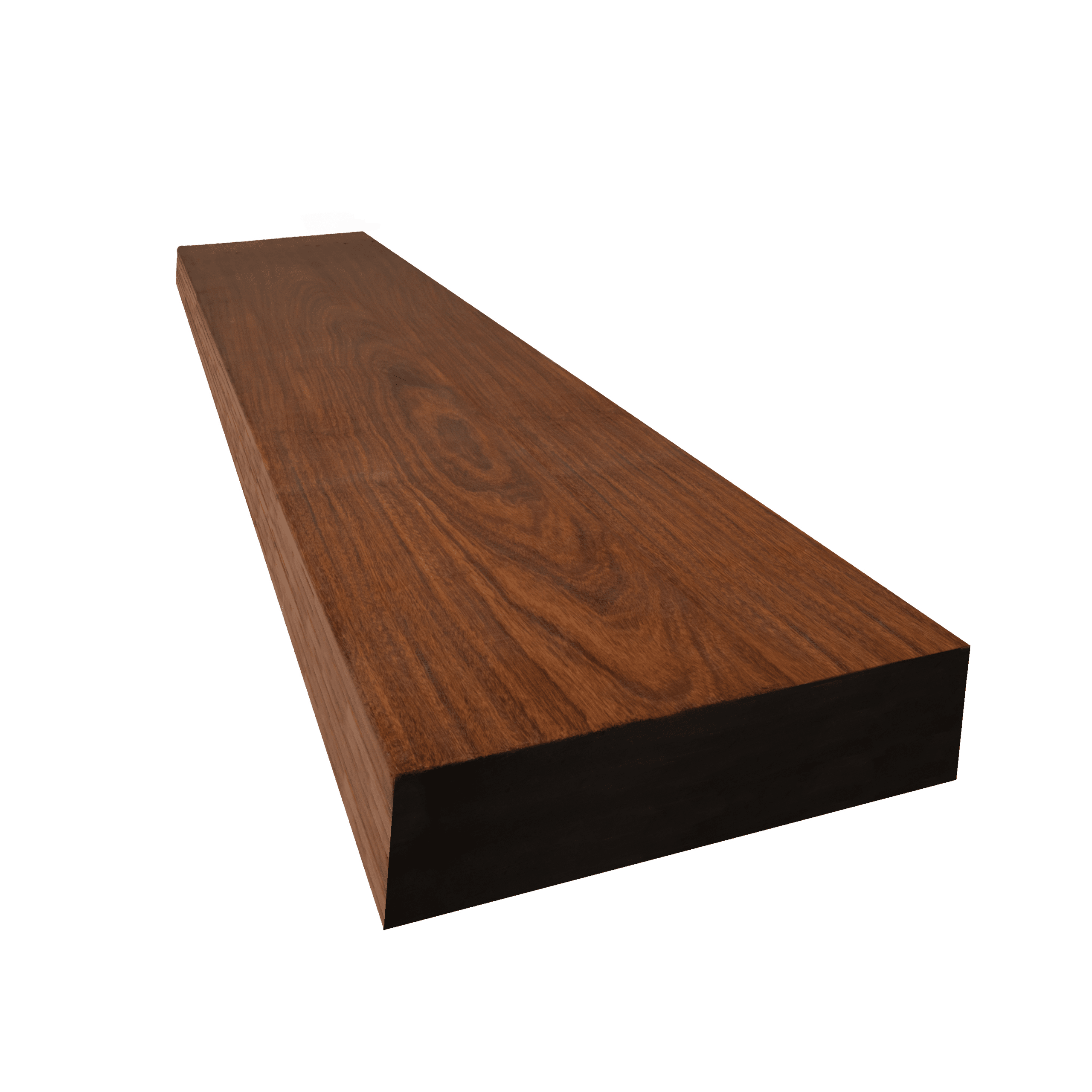
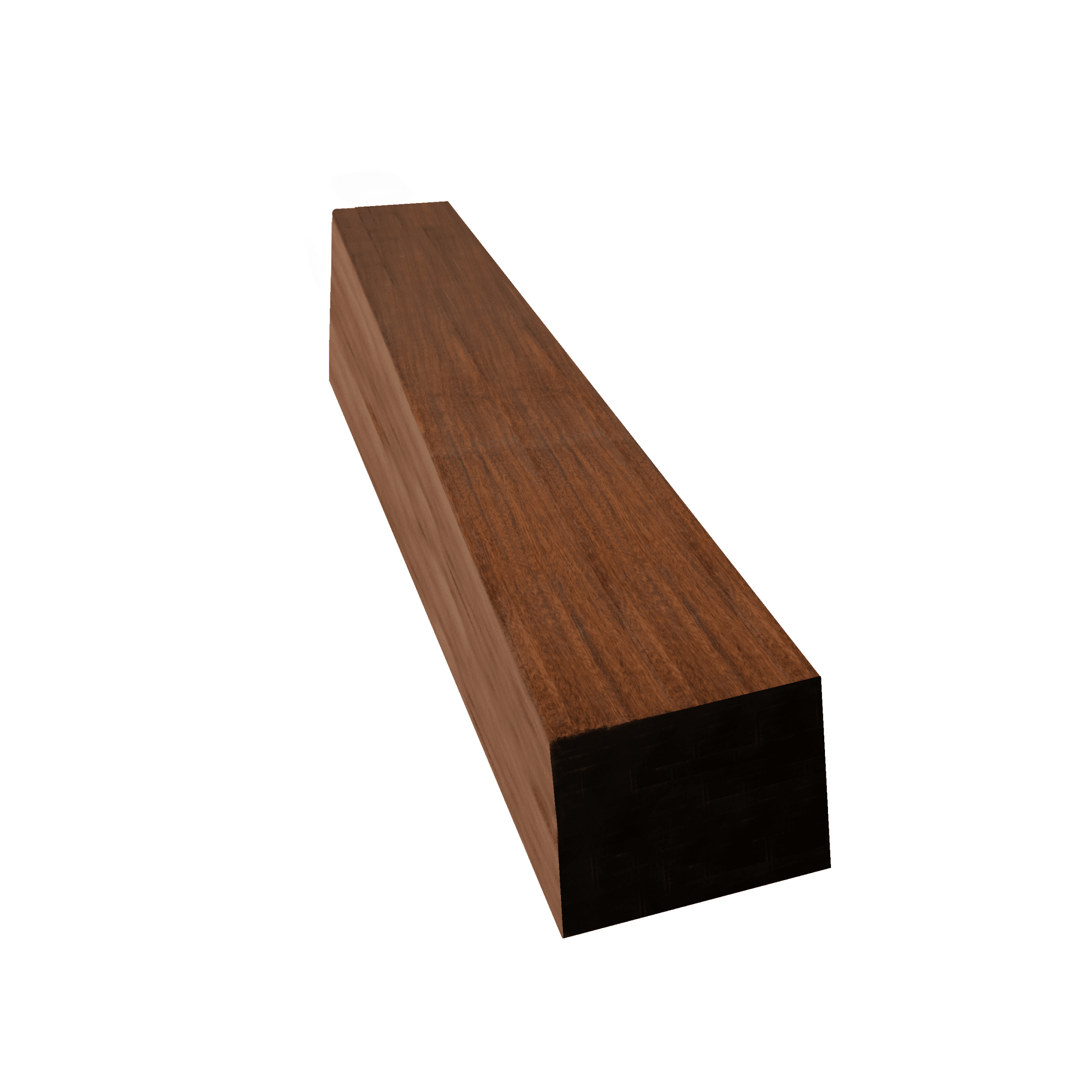
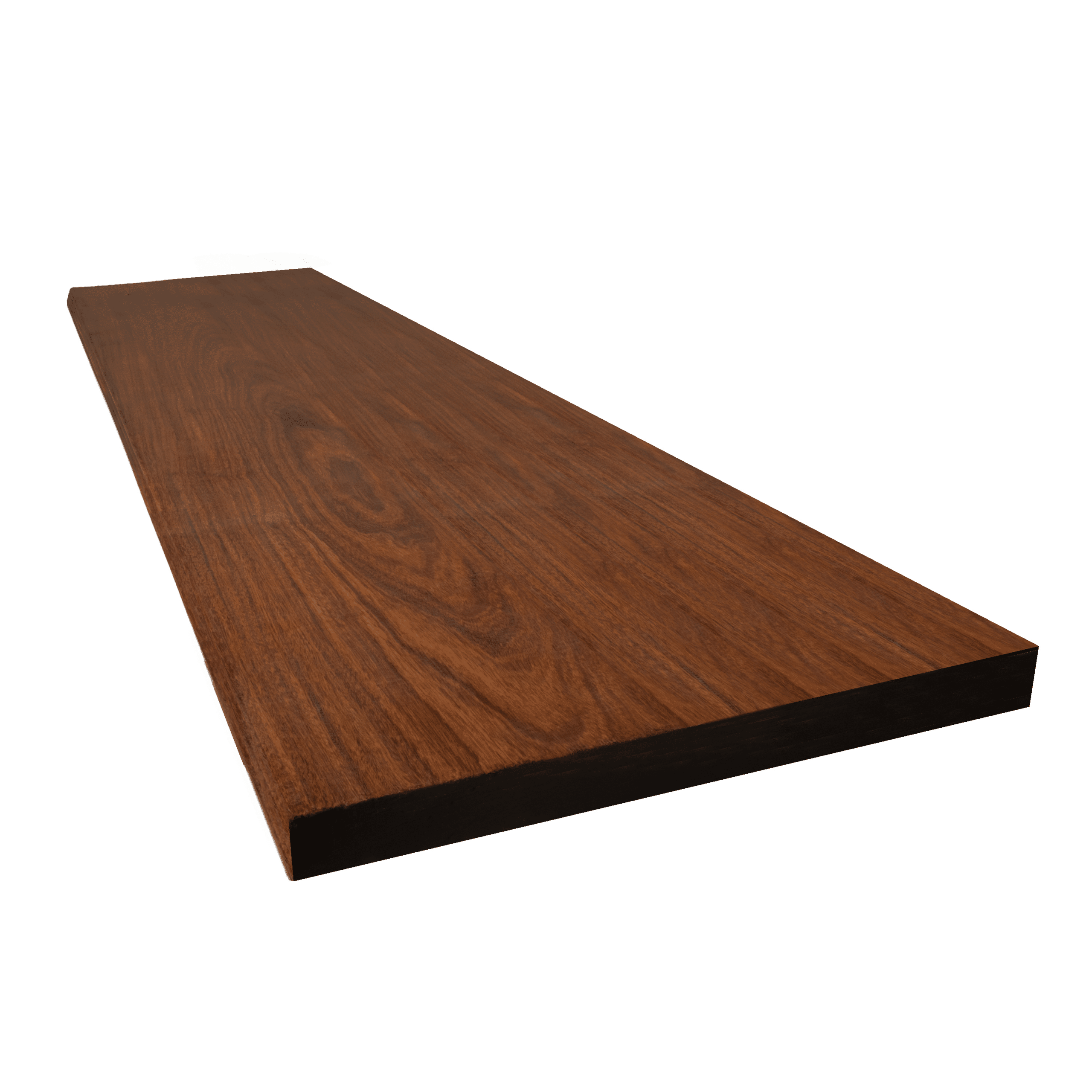
Tropical hardwoods are prized for their exceptional natural density, hardness, and built-in extractive chemistry that provides inherent decay resistance without chemical treatment. Key species with their performance data:
All tropical hardwoods require pre-drilling to prevent splitting. Stainless steel fasteners (AISI 316) are mandatory — galvanic reaction between tannic acids and carbon steel causes black staining. Annual application of a penetrating hardwood oil is recommended; without treatment, surfaces gray naturally but structural performance is unaffected for dense species.
Thermowood is natural wood (pine, ash, birch, spruce, alder) treated in a kiln with saturated steam at 160–215 °C in an oxygen-depleted atmosphere. The process hydrolyzes hemicellulose — the most hygroscopic component of wood cell walls — reducing moisture sensitivity and significantly improving biological resistance without any chemical preservatives.
Thermowood is more brittle than untreated wood — pre-drilling for fasteners is recommended at board ends. The material offers an authentic wood appearance and feel with significantly reduced maintenance requirements compared to standard softwoods.
Full-PVC or polyethylene profiles without wood filler. Zero water absorption, complete biological inertness, and full chemical resistance. Best suited for facade cladding and environments with permanent water exposure or contact with chemical agents (pool decks, marine environments, food processing facilities).
Across all materials: maintain expansion gaps between boards — ⅛–³⁄₁₆ in. (3–5 mm) for WPC; ¼–⅜ in. (5–8 mm) for timber. Ensure a minimum 1–2% surface slope for drainage. Use aluminum or stainless steel framing — galvanized steel is acceptable for most applications but avoid in marine environments. Joist spacing: 16–20 in. (40–50 cm) for WPC; 20–24 in. (50–60 cm) for thermowood and most hardwoods.
Zero-maintenance applications: WPC or full-polymer boards. Authentic natural aesthetics with moderate upkeep: thermowood or garapa. Maximum durability in demanding environments (docks, pool surrounds, high-traffic commercial): ipe, massaranduba, or cumaru. Budget, maintenance capacity, local climate, and project aesthetics should drive the final specification — there is no universally superior material, only the best fit for the specific application.