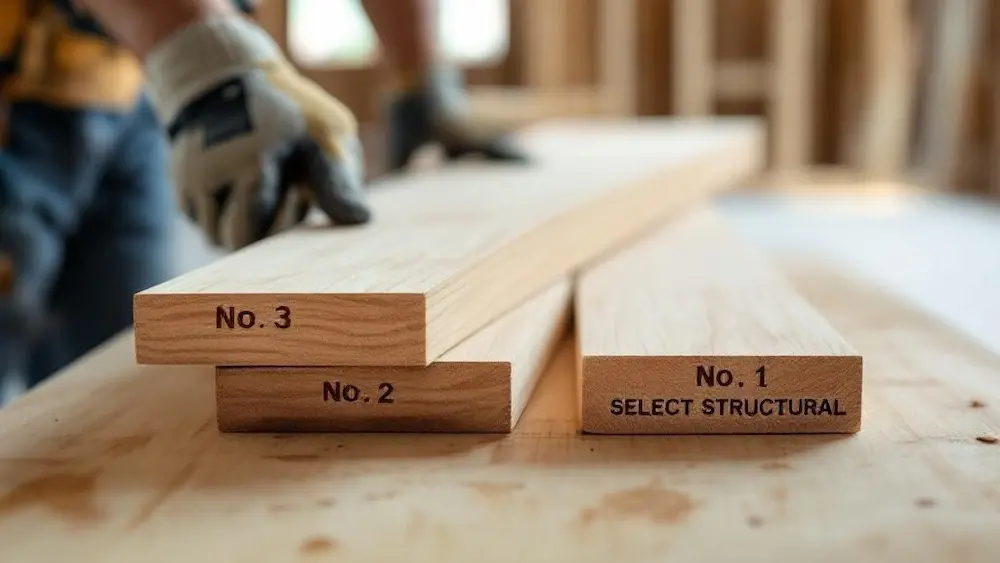
Structural lumber refers to wood products that have been graded and certified for load-bearing applications in construction. Unlike appearance-grade lumber, structural lumber must meet defined mechanical requirements — tensile strength, compression resistance and modulus of elasticity — determined by standardized grading systems such as the National Grading Rule (NGR) in North America or EN 338 in Europe. Every piece sold as structural must carry a grade stamp from an accredited agency.
In North America, structural lumber is visually or mechanically graded by certifying agencies such as WWPA, WCLIB and NELMA. Key visual grades include:
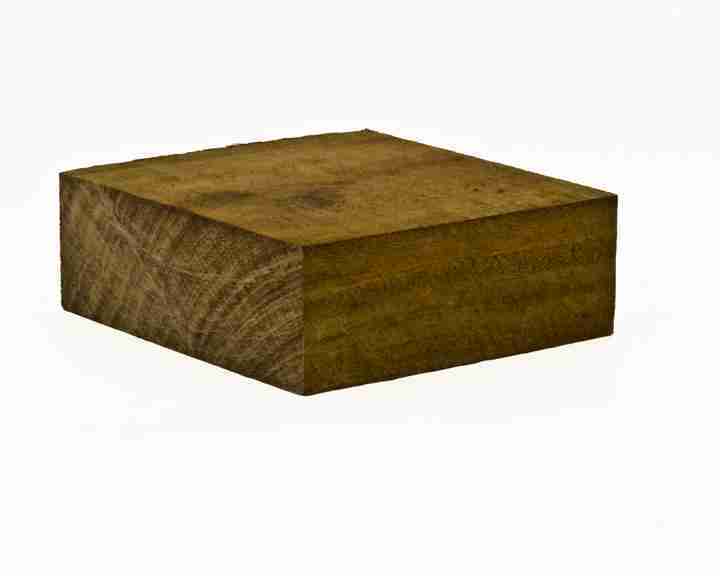
The majority of structural lumber in North America and Europe is softwood: Douglas Fir, Southern Yellow Pine, Spruce, Hem-Fir and Larch. These species combine strength, workability and cost efficiency. Hardwoods such as Oak, Ash or Beech are used structurally in specific applications — heavy timber frames, agricultural buildings and bridges — but are less common in light-frame residential construction due to cost and density.
Lumber is sold either green (moisture content above 19%) or dry (kiln-dried, MC 15–19% or below). Kiln-dried lumber (KD) offers dimensional stability, reduced shrinkage and better fastener-holding capacity. For most structural applications, KD-15 or KD-19 is specified by engineers to minimise post-installation movement and cracking in finish materials.
Store lumber off the ground on level supports spaced no more than 1.2 m apart to prevent sagging. Cover stockpiles to shield from direct rain while maintaining airflow to prevent moisture accumulation. Avoid placing lumber in direct contact with concrete or soil — end-grain moisture absorption accelerates decay. Acclimate kiln-dried lumber on site for 48–72 hours before installation in climate-controlled environments.